



Most of us have invested in conventional mutual funds at some point without fully realizing what we’re actually buying into. That Vanguard S&P 500 fund? It includes major banks earning billions from interest.
That popular tech ETF? Probably has companies with debt-to-asset ratios exceeding 33%. Even funds that seem “clean” often hold positions in financial services, conventional insurance, or companies generating non-compliant revenue.
The uncomfortable truth we learned after years of investing: just because a company makes great products doesn’t mean it’s halal to invest in. Apple might be innovative, but if its interest income exceeds thresholds or its debt levels breach Shariah limits, it becomes questionable.
Traditional Islamic funds tried to solve this, but they came with their own issues – limited options, higher expense ratios (often 0.50-0.70% versus 0.10% for conventional index funds), and restricted diversification. You were basically choosing between proper diversification and staying halal.
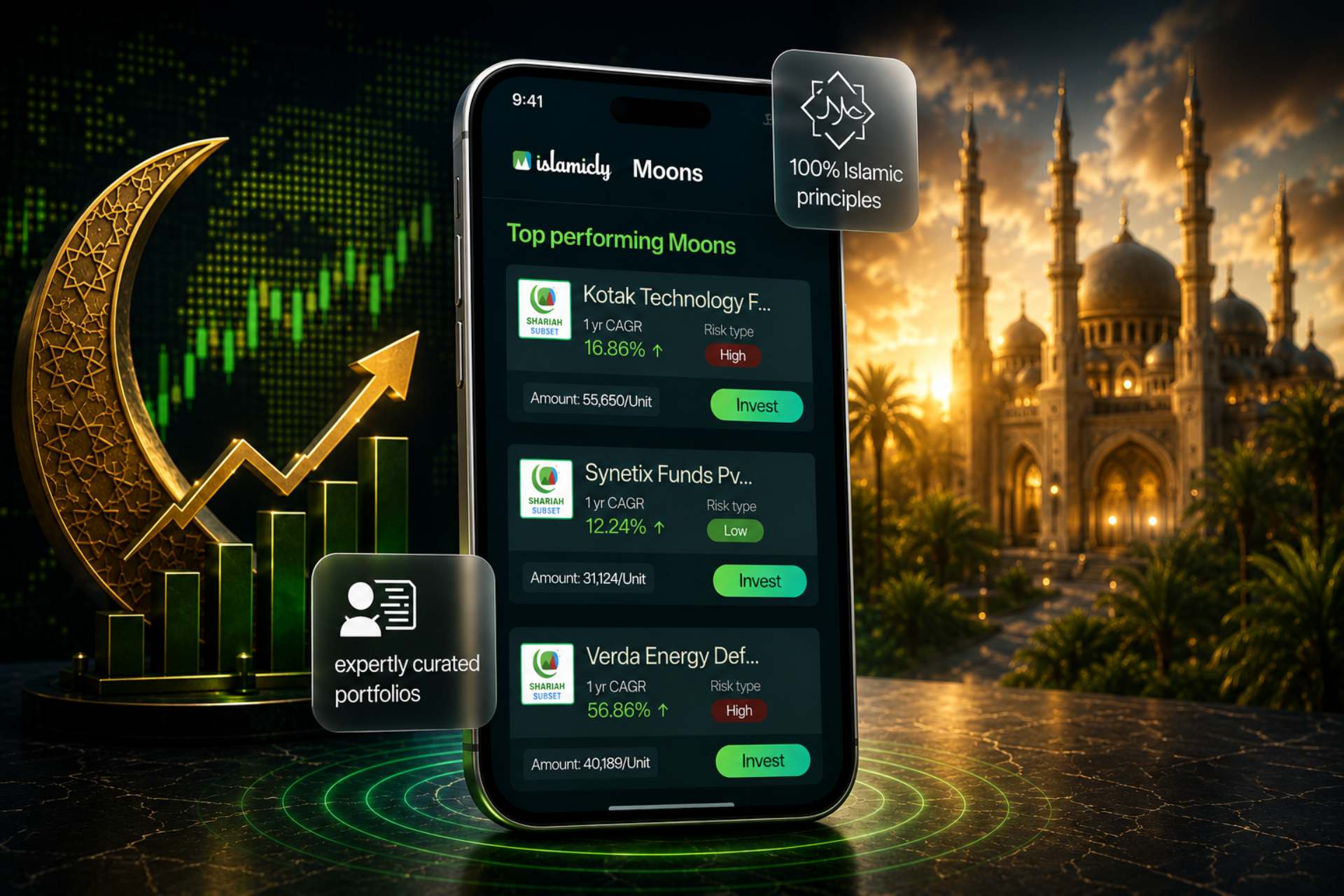
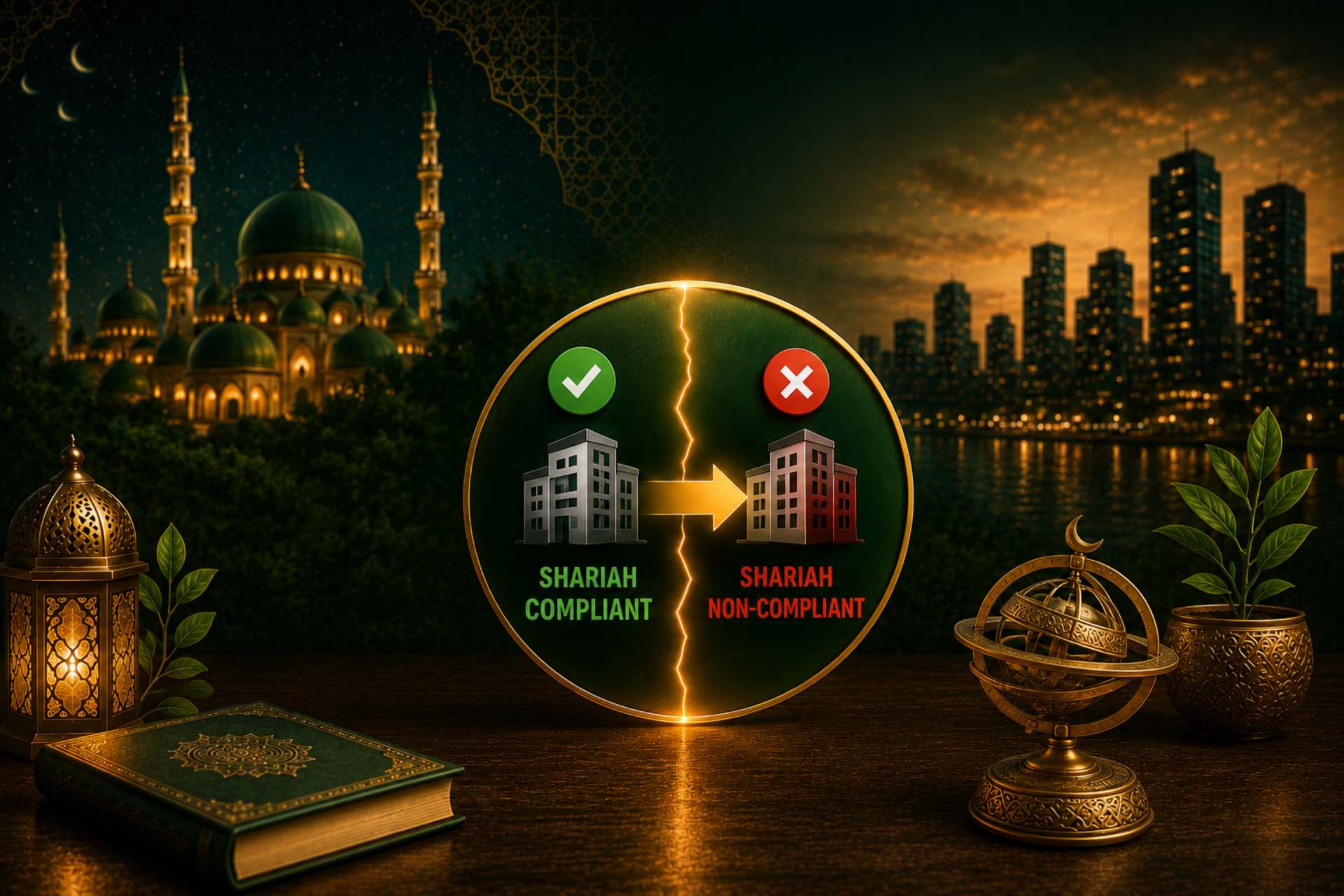
This is where solutions like Islamicly Moons are changing the equation. Instead of creating entirely new funds with higher costs, we extract Shariah compliant subsets from existing popular funds. Think of it as taking that S&P 500 you wanted exposure to but removing the 257 non compliant companies, leaving you with the 243 that pass both business and financial ratio screens.
You get the investment thesis of proven funds – the growth strategy, the sector allocation, the professional management, but filtered through proper Shariah criteria. The portfolios rebalance when the underlying funds rebalance, and non-compliant stocks get automatically flagged and removed.
The purification process becomes transparent too. You receive detailed reports showing exactly what portion of returns needs to be cleansed, removing the guesswork that keeps many Muslims from investing confidently.
Your wealth shouldn’t grow at the expense of your principles.

No comments yet — be the first to share your thoughts.