




Let’s address the elephant in the room that many Muslim investors have been ignoring.
Passive Investing
Buying index funds and ETFs has been the gold standard advice for building wealth for decades. Low fees, broad diversification, consistent returns. The math makes perfect sense.
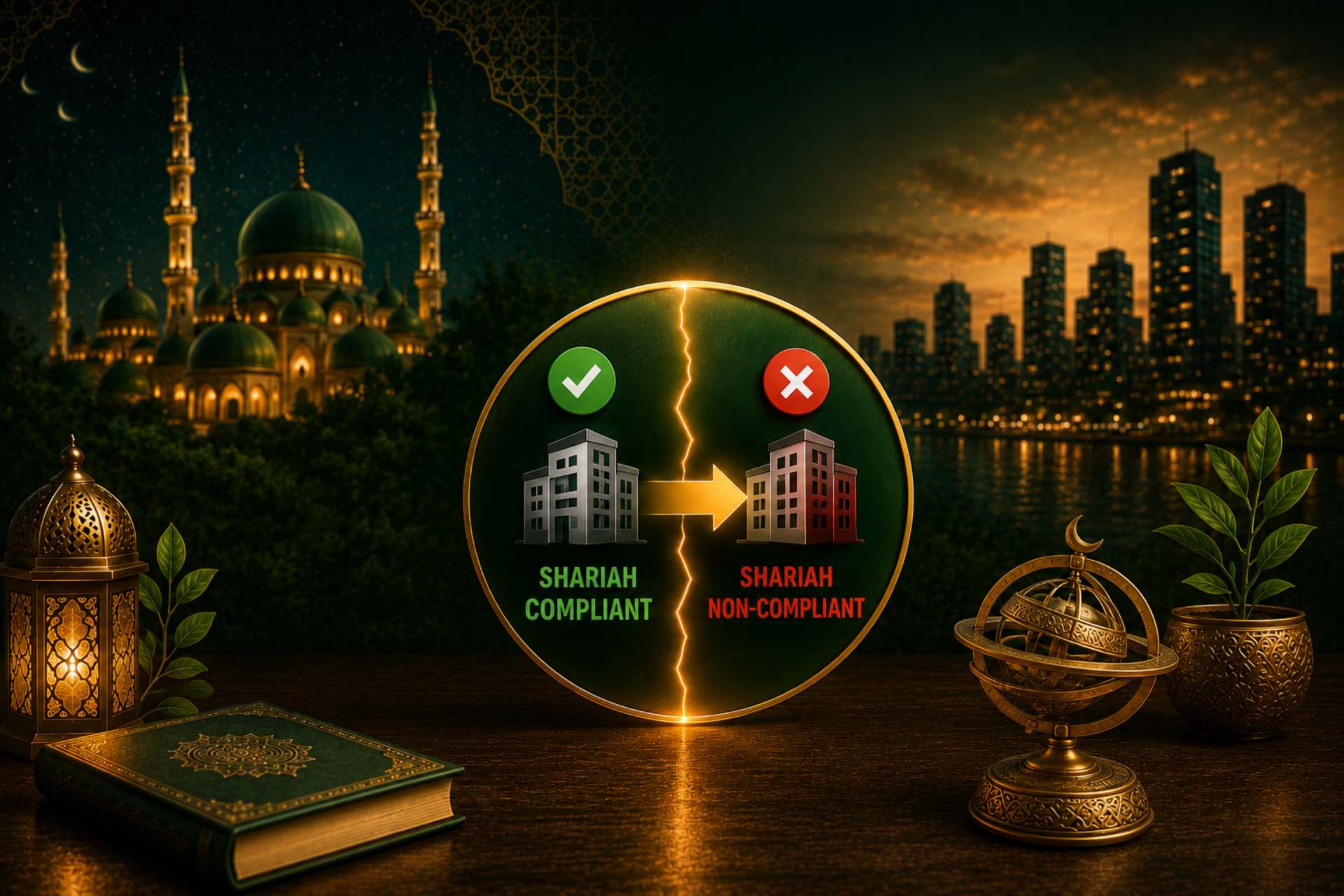
Except there’s one major problem nobody talks about: the standard Nifty 50, Sensex, or even global indices aren’t Shariah compliant. Not even close. When you buy a conventional index fund, you’re automatically investing in: HDFC Bank, ICICI Bank, and SBI (pure interest-based institutions making up over 60% of Bank Nifty), ITC (tobacco), United Spirits (alcohol), and numerous companies with debt ratios exceeding 33% or interest income beyond permissible limits.
The usual response? “Just pick individual stocks then.” But that defeats the entire purpose of passive investing. You lose the diversification, you introduce concentration risk, and you are back to active management which most of us aren’t equipped to do well.
For years, we have been stuck between two bad options: abandon the proven strategy of passive investing or compromise our religious principles. Some scholars even suggested conventional index funds with dividend purification, but that’s addressing symptoms rather than the disease.
What’s changed is the emergence of truly Shariah compliant passive strategies. Platforms now offer model portfolios that track the methodology of popular indices while maintaining strict compliance.
These aren’t new experimental strategies they are mimicking proven funds but filtering out the haram components.
You get passive exposure to technology trends, emerging markets, dividend growth strategies, or whatever investment thesis appeals to you. The difference? Every single holding passes business sector screens and financial ratio requirements based on AAOIFI standards. The rebalancing happens automatically, compliance monitoring is continuous, and you’re not constantly second guessing whether your nest egg is halal.
This is passive investing as it should have been from the start, hands-off, diversified, low-cost, and fully aligned with Islamic principles. Finally, Muslim investors don’t have to choose between smart investing and staying halal. We can have both.


No comments yet — be the first to share your thoughts.