



As COVID-19 triggered a global financial panic and investors scrambled to liquidate everything for cash, silver fell from $18 per ounce to $12 in a matter of weeks. A drop of more than 30 percent. Investors who watched this and concluded that silver was a poor crisis asset drew the wrong lesson.
What happened next is the lesson.
The 140 Percent Move That Almost Nobody Caught
The US Federal Reserve responded to the 2020 crisis by creating approximately $3 trillion in the first month alone, the largest single monetary expansion in American history. Interest rates were cut to zero. The dollar weakened. Confidence in financial institutions, already fragile from the 2008 experience, took another hit.
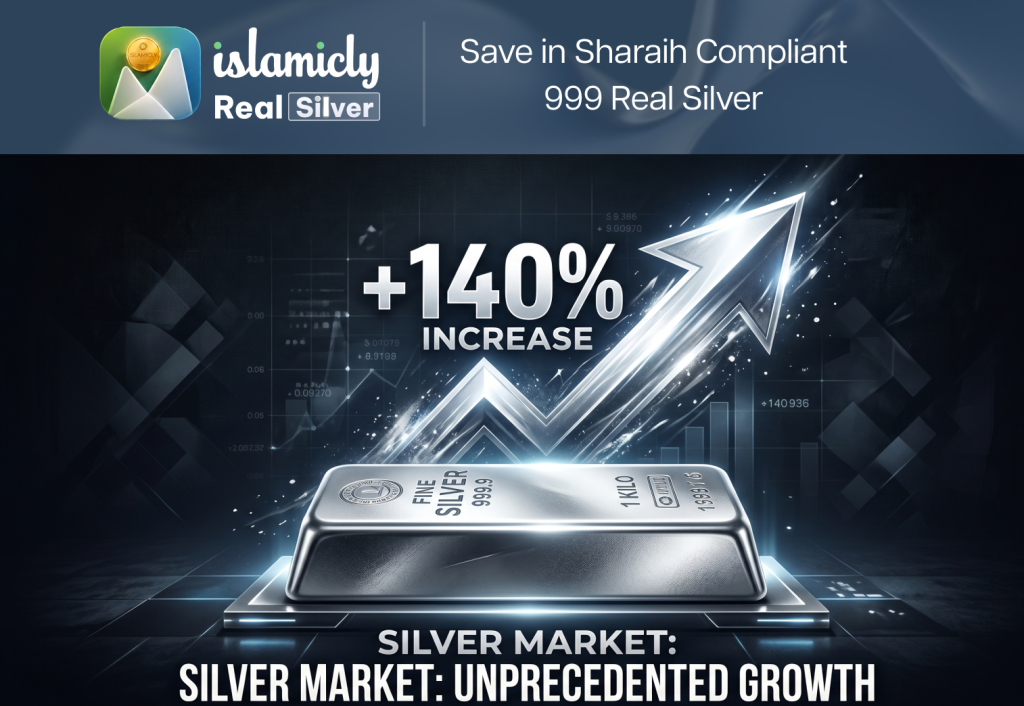
And silver, from its March 2020 low of $12 per ounce, rose to $29 per ounce by August 2020.
That is a gain of 140 percent in five months.
Gold also rose significantly in the same period, approximately 30 percent. Silver outperformed gold by a factor of nearly five to one.
The investors who benefited were not the ones who watched silver crash in March and rushed to buy in April. They were the ones who had been holding silver before any of it happened through systematic savings, a little at a time, building a position gradually. When the move came, they were already in it.
The people who watched from the sidelines, waiting for certainty before they acted, missed most of it.

Why Silver Crashes First and Rises Hardest
Silver’s behaviour in the 2020 crisis was not unusual. It was a pattern that has repeated in every major financial crisis of the past century.
In the first stage of a crisis, everything gets sold. Investors who are frightened liquidate their positions to raise cash stocks, bonds, gold, silver, everything. Silver, being a smaller and less liquid market than gold, tends to fall harder in this initial panic. This is the phase that looks like silver is failing as a safe-haven asset.
In the second stage the recovery and monetary response phase money flows back into assets that preserve purchasing power against the monetary expansion that central banks deploy to manage the crisis. Gold leads this recovery. Silver follows. And because silver is a smaller market, when the same wave of money hits it, the price move is amplified.
This pattern crash hard, recover harder has been silver’s recurring behaviour in crisis periods throughout modern history.
The 2008 financial crisis: silver fell nearly 50 percent, then tripled over the following three years. The 2020 COVID crash: silver fell 30 percent, then rose 140 percent in five months. The 2011 precious metals bull market peak: silver reached $49 per ounce, an all-time high that, in inflation-adjusted terms, still has not been surpassed.
The Conditions Today — A Familiar Pattern
The question that matters now is whether the conditions that produced silver’s 2020 move are present again. The honest answer is: many of them are.
Monetary expansion. Between 2020 and 2023, central banks around the world created money at rates without modern precedent. That money is in the system. Its inflationary effects are still working through economies. The conditions for a sustained precious metals bull market created by the monetary expansion that follows crises are present.
The gold-silver ratio. As discussed in our previous blog, this ratio remains well above its historical average. Silver remains historically undervalued relative to gold. The compression of this ratio which has historically happened in the later stages of precious metals bull markets has begun but is not complete.
Geopolitical uncertainty. The combination of ongoing conflicts in the Middle East, the Taiwan Strait tensions, the US-China trade dispute, and multiple other geopolitical pressures is creating sustained safe-haven demand for precious metals. This demand has primarily benefited gold so far. Silver typically catches up in the second phase.
Industrial demand. The solar and EV industries are consuming silver at rates that are structurally outpacing supply. This is not a cyclical factor. It is a decade-long trend that will not reverse regardless of the financial market cycle.
None of this is a guarantee. Markets are unpredictable. Timing is genuinely uncertain. But the structural setup for silver is more compelling today than it was at the start of silver’s 2020 rally.
The Dollar’s Role in Silver’s Story
There is a dimension to silver’s behaviour that Indian savers particularly need to understand: its relationship with the US dollar.
Silver is priced in dollars globally. When the dollar weakens as it does when the Federal Reserve loosens monetary policy, or when geopolitical events undermine confidence in dollar-denominated assets silver’s dollar price tends to rise. For Indian rupee holders, this dollar appreciation in silver is further amplified by the rupee’s own depreciation against the dollar.
In practical terms: when the dollar falls and silver rises, Indian silver holders get a double benefit — the metal goes up in dollar terms, and those dollars are worth more rupees.
This is one of the most compelling features of silver as a savings instrument for Indian investors that is almost never discussed. You are not just hedging against silver market dynamics. You are also hedging against the slow, steady, persistent depreciation of the rupee.
Over the past twenty years, this combination has produced average annual rupee-denominated silver returns in the range of 12 to 14 percent comparable to equity market returns, but with a very different correlation to the factors that drive equity markets.
The Mistake Most People Make
The most common mistake people make with silver is waiting for the right moment to buy.
It feels sensible. You want to understand it before you act. You want to see what it does next. You want to wait until the news is clearer.
But here is what happens while you wait. Silver moves. The move that you were going to buy into has already happened. You wait for the next one. You wait through that one too.
The investors who benefit most from silver’s periodic explosive moves are not the ones who time their entry perfectly. They are the ones who build their position gradually and systematically through a savings goal that buys a fixed amount every week or month, at whatever price silver happens to be. Some of those purchases will be at highs. Most will be at reasonable prices. And when the explosive move comes as it has repeatedly, and as the conditions today suggest may be coming again they will already own silver.
The difference between the people who benefited from silver’s 140 percent move in 2020 and the people who watched it happen is simple. The beneficiaries made a decision before the move. The watchers were still making their decision while it was happening.
Which side of that difference do you want to be on?

A Practical Step You Can Take Today
You do not need to make a large single investment in silver. In fact, that is not the approach we would recommend.
Start small. Set up a silver savings goal a fixed amount, debited automatically from your bank account every week or every month. Build your position gradually. Let the average of many price points smooth out the volatility. And then hold it — because silver’s most significant moves do not announce themselves in advance.
The goal of systematic silver savings is not to time the market. It is to be in the market, consistently, so that when silver does what it has done repeatedly throughout its history — crash, then recover by a factor that astonishes everyone who missed it — you are already there.
History does not repeat exactly. But with silver, it has rhymed, loudly and profitably, more times than any saver should be comfortable ignoring.

No comments yet — be the first to share your thoughts.